Research Problem Framer
Transform a research question into a fully framed research problem that readers recognize as worth solving, using the condition+consequence structure and the So What? cascade test. Use this skill when the user has a research question but cannot explain why readers should care about the answer, has completed the 3-step significance formula but the Step 3 consequence still feels abstract or weak, is writing an introduction and the reader's "So what?" objection keeps coming back, cannot tell whether their project is pure or applied research and whether that matters for their introduction, wants to verify that solving their conceptual problem actually serves a practical one, has a research question that feels personally interesting but lacks community relevance, is being asked by an advisor or reviewer "why does this matter?", needs to state a research problem in formal proposal or introduction language, wants to understand the difference between a research question (condition) and a research problem (condition + consequence) and why the problem frame is what goes in the introduction, or is building a research argument but keeps getting feedback that readers don't feel the stakes. This skill handles problem framing and consequence articulation; it does NOT formulate the initial research question (use research-question-formulator for that) or write the claim/thesis statement.
 View on ClawhHub
Install
What You'll Need
Skill Relationships
Unlocks
Argument builder requires a framed research problem with explicit stakes before assembling claim-reason-evidence-warrant chain
Introduction architect requires a framed problem (condition+consequence) to build the Context→Problem→Response structure
Requires
Problem framer requires a focused research question before articulating condition+consequence structure
Source Book
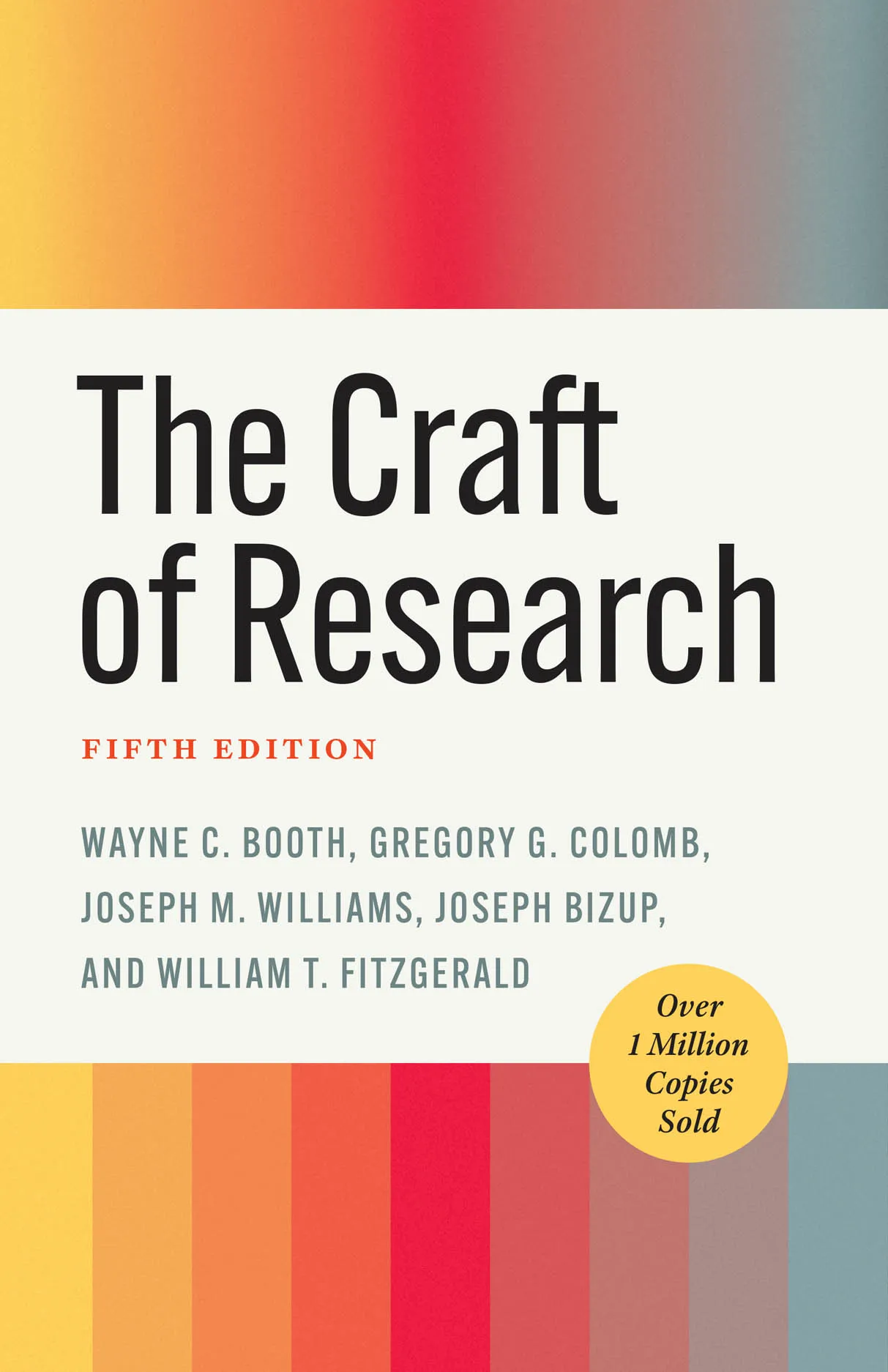
The Craft of Research, Fourth Edition
Wayne C. Booth, Gregory G. Colomb, Joseph M. Williams, Joseph Bizup, and William T. FitzGerald