Research Introduction Architect
Draft a complete research introduction and matching conclusion using the Context→Problem→Response architecture. Use this skill when the user has a framed research problem (condition + consequence) and needs to write or revise the opening and closing sections of a research paper; when an introduction exists but reads as a flat topic announcement instead of a problem-driven argument; when the user cannot decide whether to state the main point in the introduction (point-first) or withhold it for the conclusion (point-last) and needs to understand the trade-offs; when the first sentence of the introduction is a dictionary definition, a grand universal claim ("Throughout history…"), or a repetition of the assignment prompt; when the conclusion merely restates the introduction without adding new significance or calling for further research; when the user needs guidance on how much context to provide — neither too sketchy nor encyclopedic — based on the audience's prior knowledge; when the pacing of an introduction (fast vs. slow context setup) needs to match audience expertise level; or when the user wants a checked draft that correctly omits the context element (problem well-known) or consequence element (widely understood) rather than including them by default. This skill outputs a draft introduction and conclusion. It does NOT frame the research problem from scratch — use research-problem-framer for that.
 View on ClawhHub
Install
What You'll Need
Skill Relationships
Unlocks
No dependent skills
Requires
Introduction architect requires a framed problem (condition+consequence) to build the Context→Problem→Response structure
Source Book
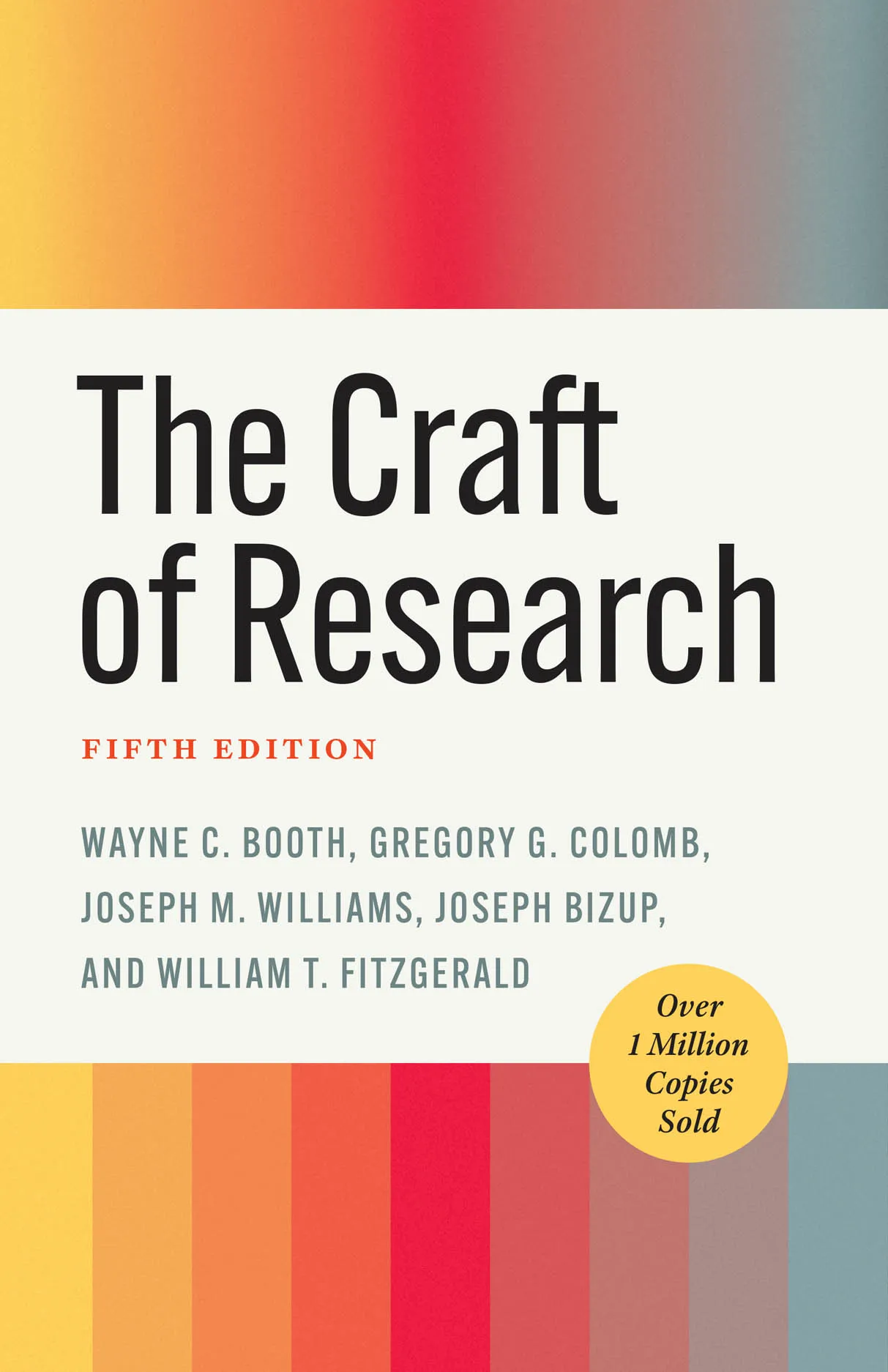
The Craft of Research, Fourth Edition
Wayne C. Booth, Gregory G. Colomb, Joseph M. Williams, Joseph Bizup, and William T. FitzGerald