Books contain centuries of expertise.
Agents can't use it. Until now.
Skills only exist where an expert hand-wrote one, and that expert is almost always a programmer. BookForge breaks the bottleneck with an automated pipeline that distills non-fiction books into tested agent skills. Every book, every domain, for engineers, marketers, researchers, negotiators, and anyone else using agents for serious work.

The skills ecosystem has a supply problem.
Only developers build agent skills, so only developer domains get covered. Negotiation, psychology, leadership, design? Zero skills.
Meanwhile, the best expertise on these topics already exists. It's been written, reviewed, and refined over decades. It's sitting in books.
It's wrong that centuries of human expertise is locked in books while agents operate on shallow, generic knowledge.
BookForge fixes this with an automated pipeline that distills non-fiction books into tested agent skills. Every book, every domain, no expert bottleneck.

Three steps to real expertise.
No subscriptions. No accounts. Just install and go.

Browse the library
Find skills by book or domain. Software architecture, negotiation, psychology, and growing.

Install in one command
Works with Claude Code, Codex, Gemini CLI, Cursor. 10+ platforms supported.

Your agent applies expertise
Architecture trade-offs, negotiation tactics, and design principles from the world's best books.
Same prompt. Different thinking.
Install a skill and your agent reaches for the right framework automatically. No prompting, no pasting chapters.
A stakeholder pings you: "We need to add three more integrations before ship. Can you make it work?"
"I understand you need the integrations. I can try to fit them in, but it might affect the timeline. Let me know how you'd like to proceed."
Generic. Conflict-averse. Gives up leverage before the conversation starts.
This is an anchored ask. They've framed the new scope as if it's free. A direct "no" triggers defensiveness. Per the calibrated-questions framework, I'll use a "How" question to make them solve the problem, not me.
Draft reply: "That's a meaningful addition. How am I supposed to fit three new integrations into the existing timeline without pulling from the scope we already committed to?"
Framework-driven. The agent knows which move to reach for and why.
You ask your agent to review a Go service for SQL injection risks.
"Use parameterized queries and prepared statements. Avoid string concatenation in SQL. Run a linter to catch unsafe patterns."
Correct, but it’s guideline-and-pray. Enforcement lives in developer discipline.
Guidelines don’t scale. The book’s Chapter 12 fix is structural: a TrustedSqlString typed-builder pattern where the compiler makes the vulnerability impossible by construction. User input is typed as a plain string; the SQL builder’s AppendLiteral method only accepts a package-private stringLiteral type. A plain string cannot be passed — it’s a compile-time error, not a code-review catch.
Structural fix from the source text, not a summary of best practices.
Browse by book.
Each book is distilled into verified, actionable agent skills you can install in seconds.
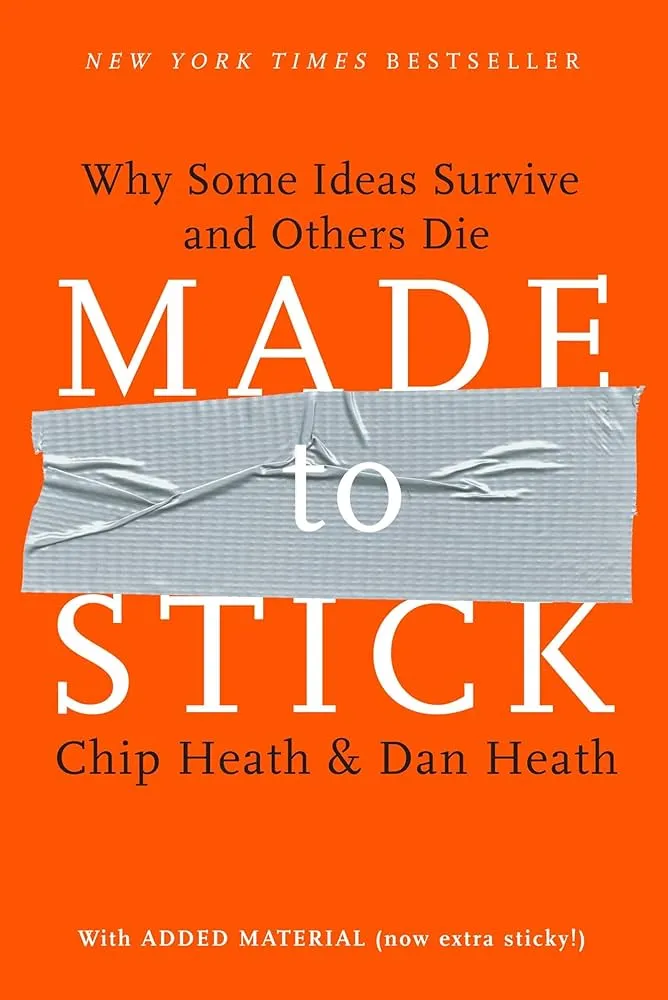
Made to Stick
Chip Heath, Dan Heath
10 skills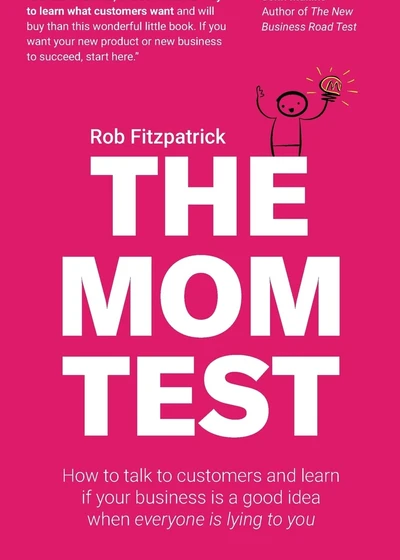
The Mom Test
Rob Fitzpatrick
9 skills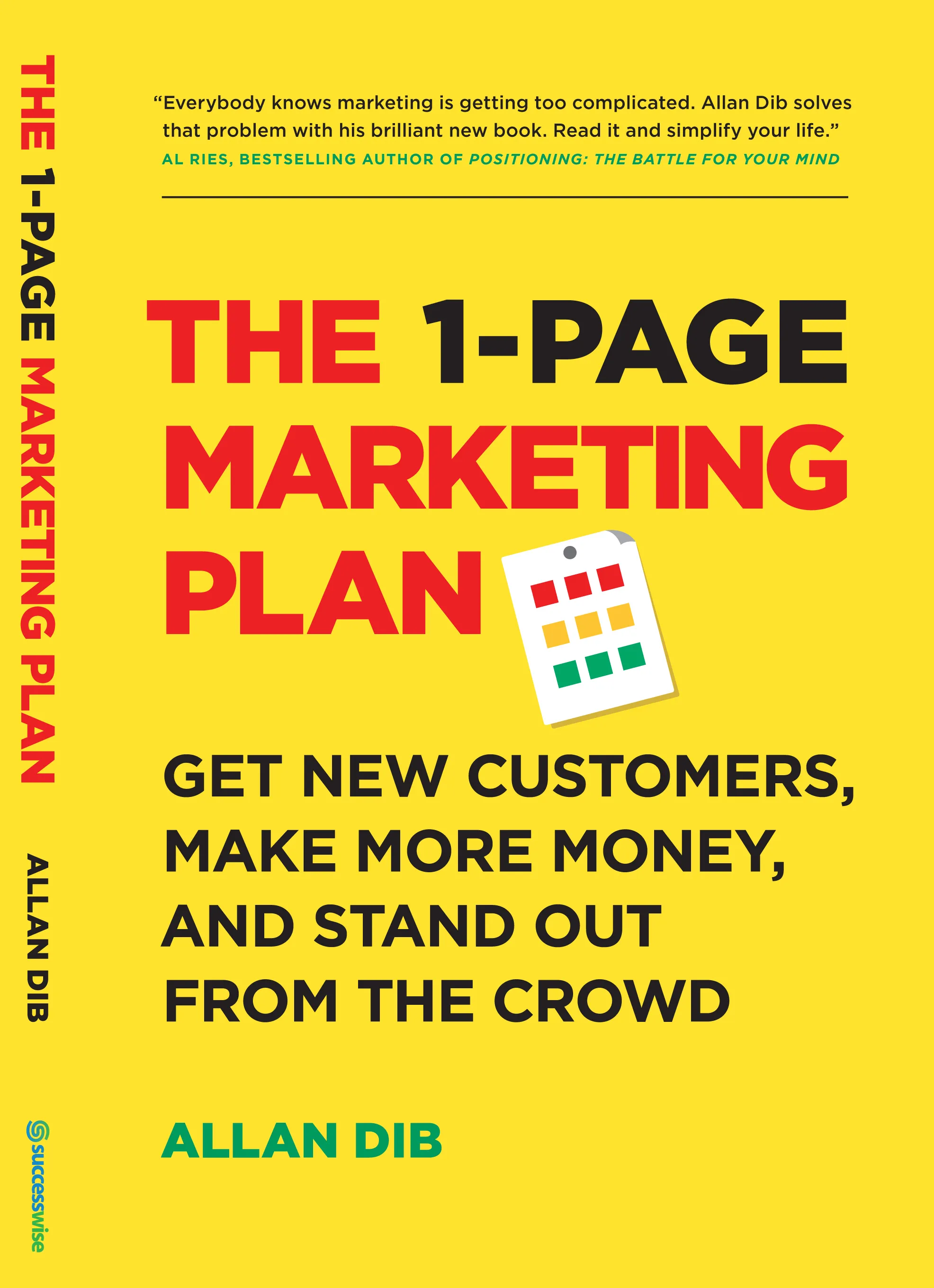
The 1-Page Marketing Plan
Allan Dib
13 skills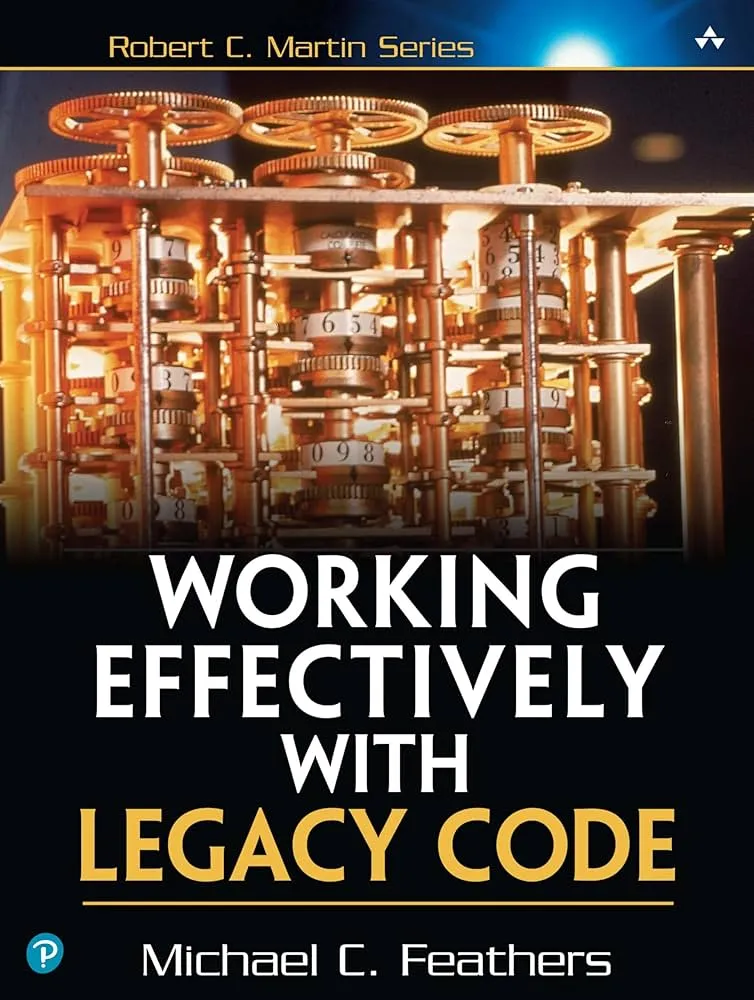
Working Effectively with Legacy Code
Michael C. Feathers
16 skills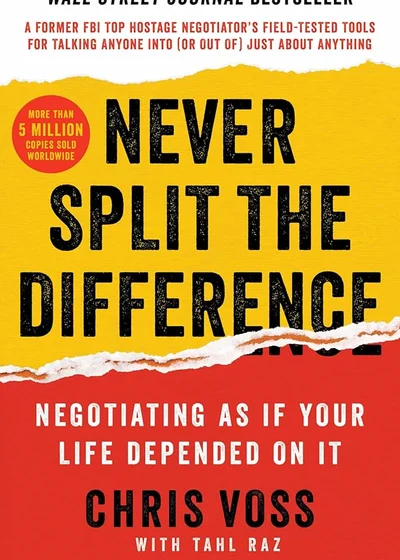
Never Split the Difference
Chris Voss
8 skills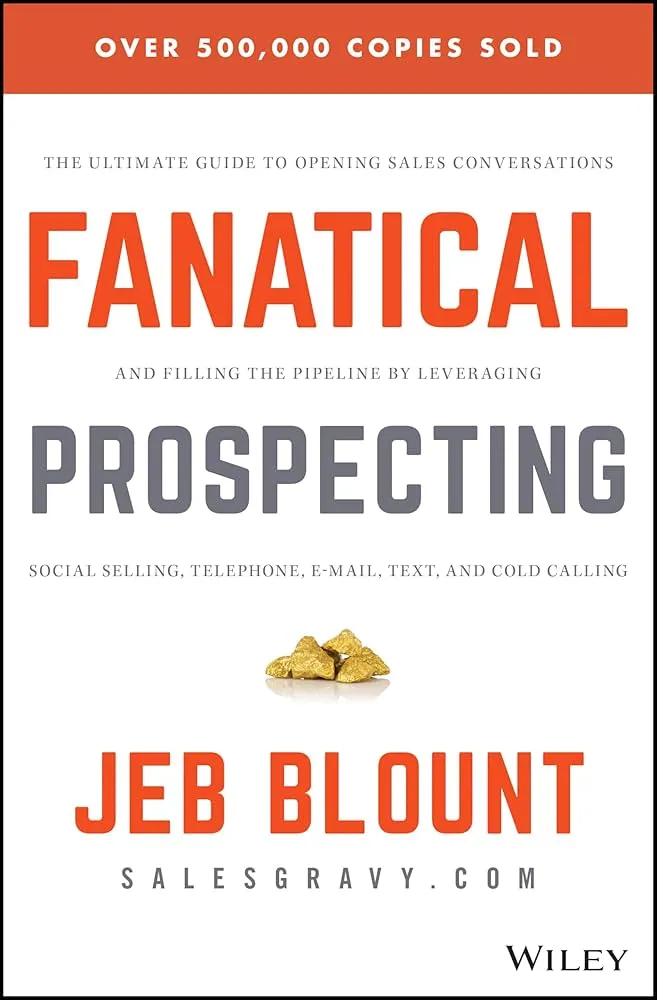
Fanatical Prospecting
Jeb Blount
14 skills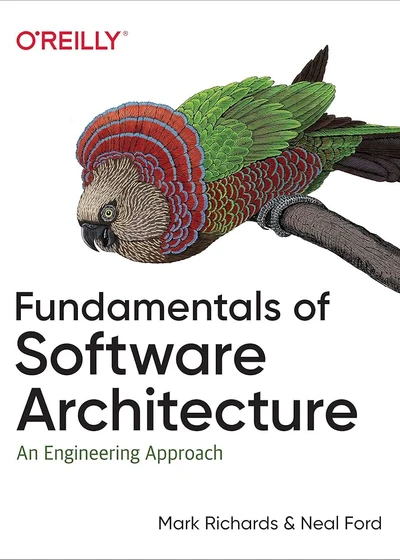
Fundamentals of Software Architecture
Mark Richards, Neal Ford
19 skills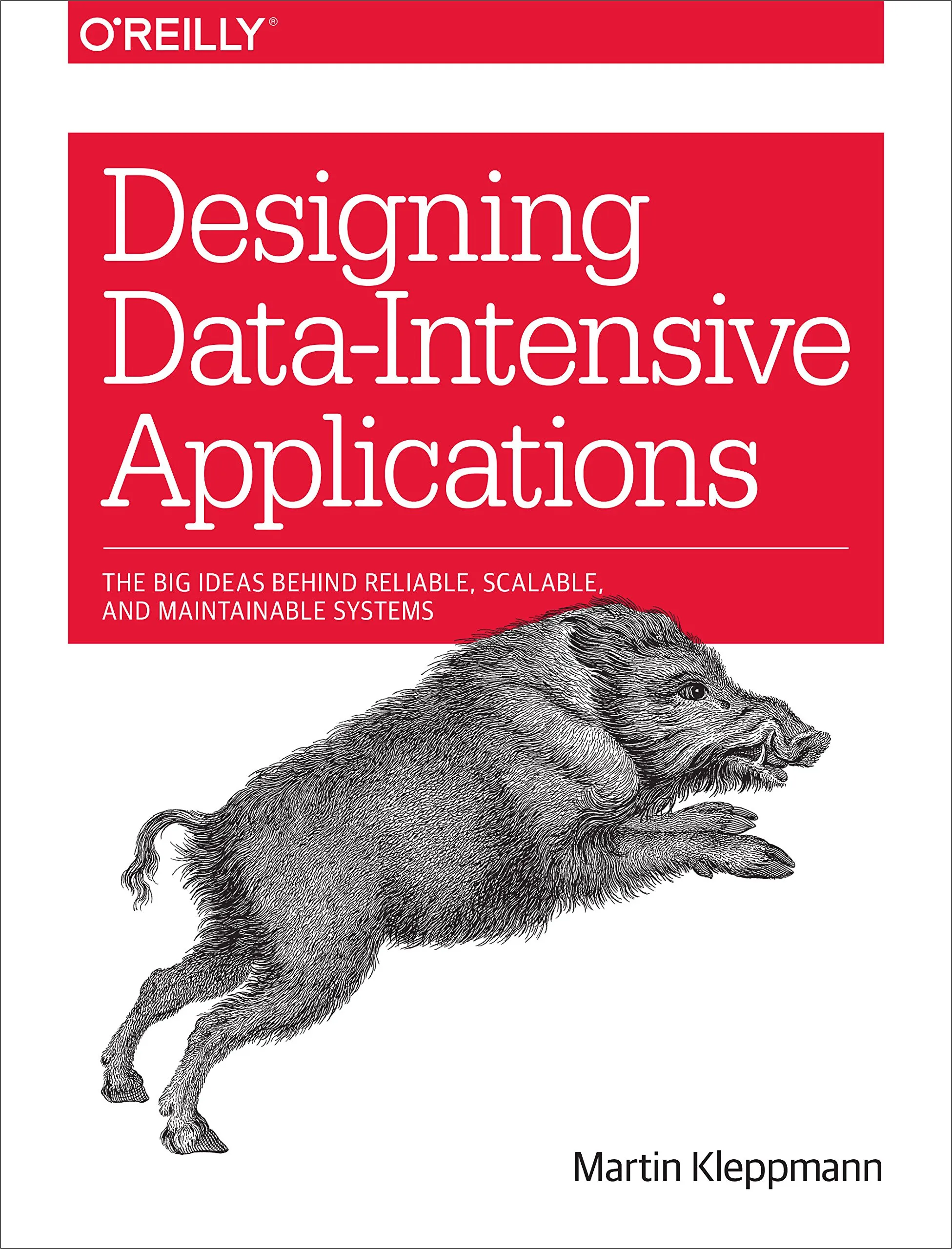
Designing Data-Intensive Applications
Martin Kleppmann
14 skills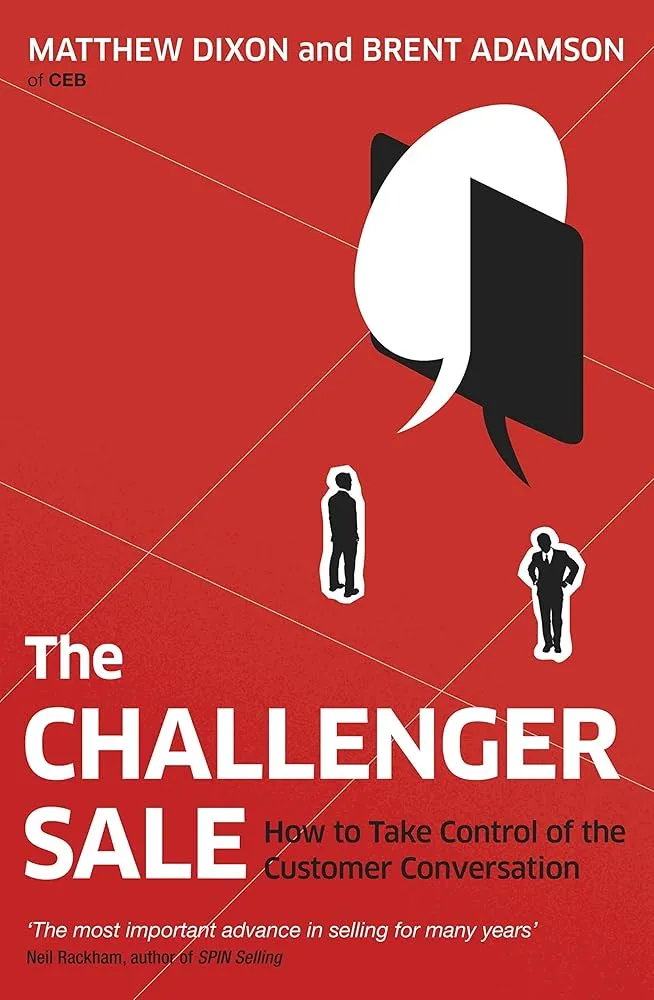
The Challenger Sale
Matthew Dixon, Brent Adamson
10 skills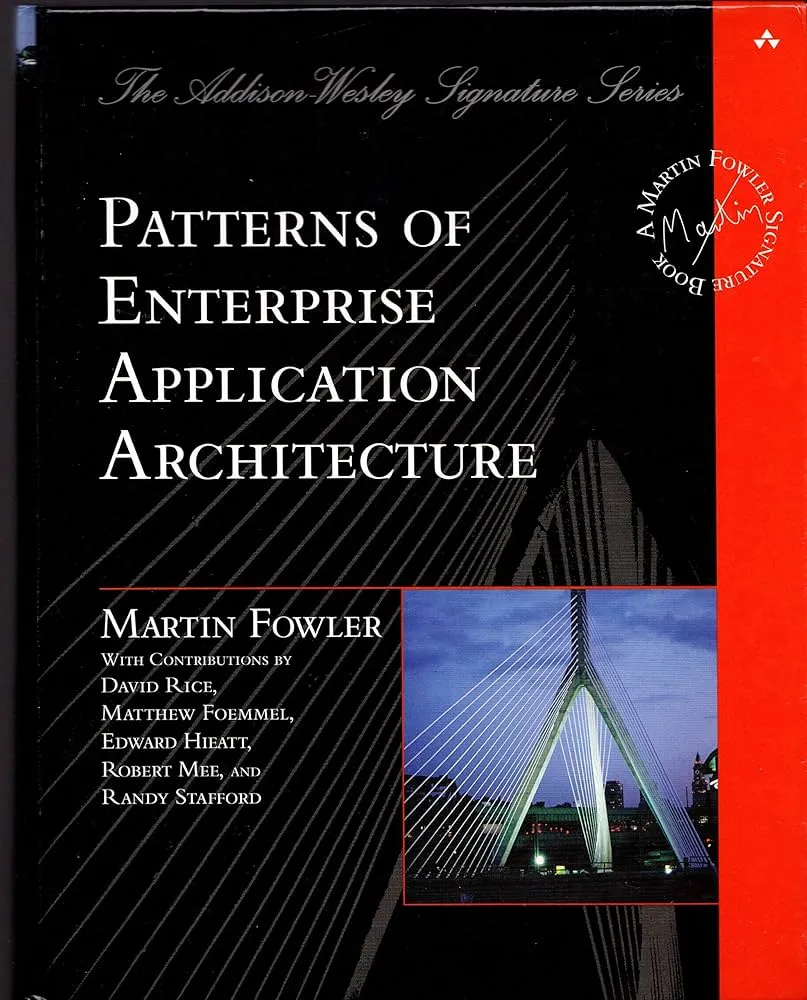
Patterns of Enterprise Application Architecture
Martin Fowler, David Rice, Matthew Foemmel, Edward Hieatt, Robert Mee, Randy Stafford
16 skills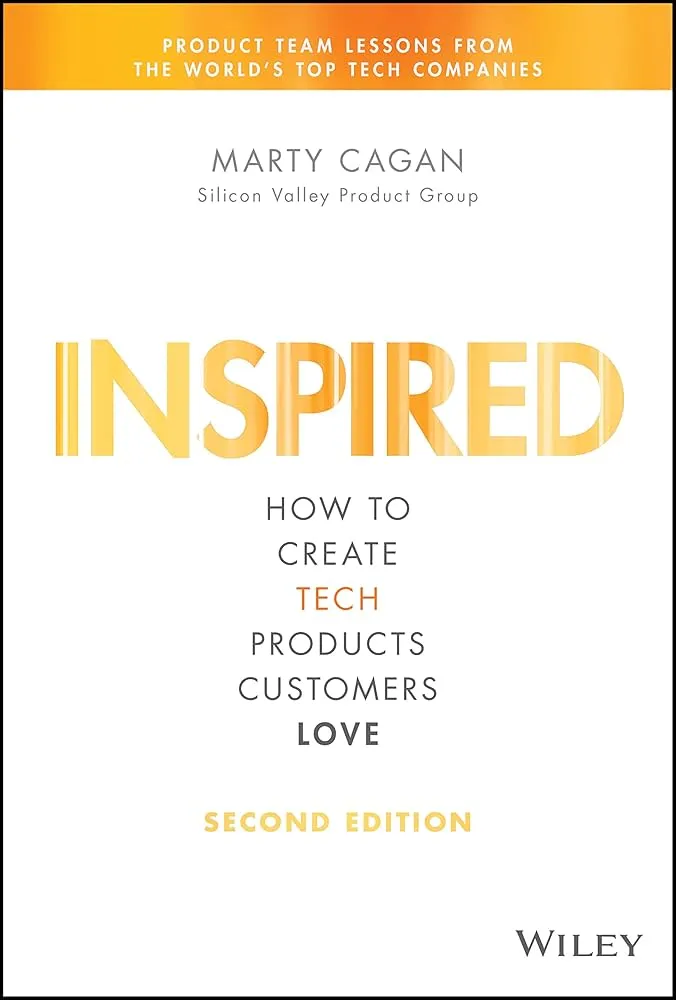
INSPIRED: How to Create Tech Products Customers Love
Marty Cagan
12 skills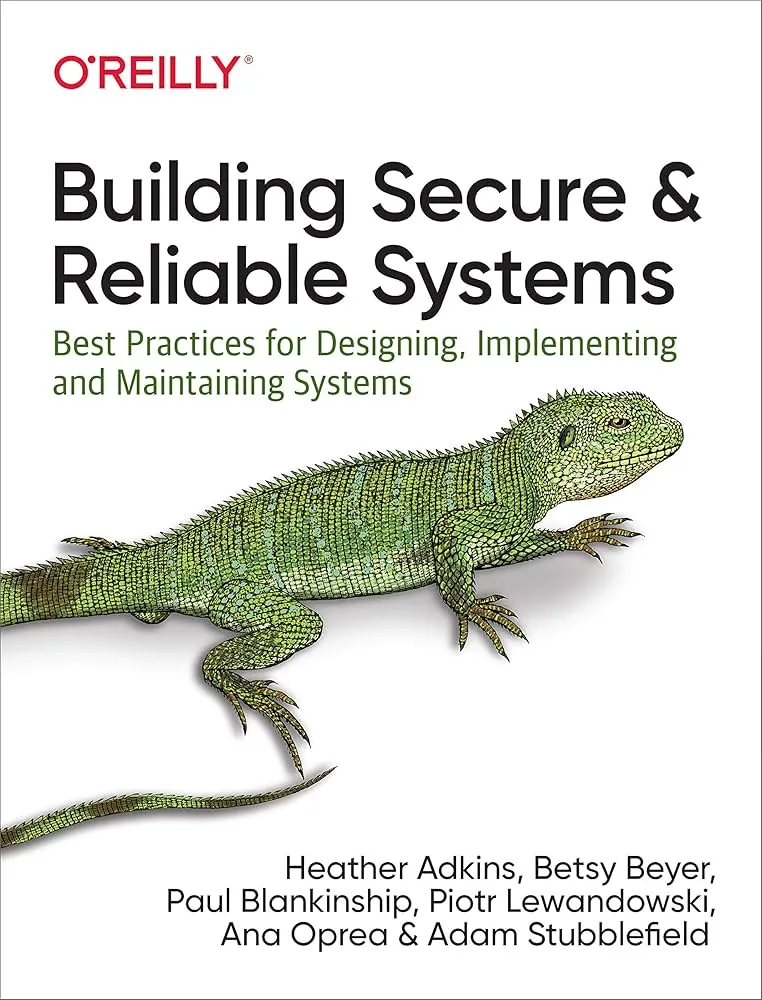
Building Secure and Reliable Systems
Heather Adkins, Betsy Beyer, Paul Blankinship, Piotr Lewandowski, Ana Oprea, Adam Stubblefield
14 skills
The Web Application Hacker's Handbook
Dafydd Stuttard and Marcus Pinto
13 skills
Refactoring: Improving the Design of Existing Code
Martin Fowler
10 skills
The Craft of Research, Fourth Edition
Wayne C. Booth, Gregory G. Colomb, Joseph M. Williams, Joseph Bizup, and William T. FitzGerald
12 skills
Influence: The Psychology of Persuasion
Robert B. Cialdini
10 skills
Make It Stick: The Science of Successful Learning
Peter C. Brown, Henry L. Roediger III, Mark A. McDaniel
10 skills
$100M Offers
Alex Hormozi
8 skills
Hacking Growth
Sean Ellis, Morgan Brown
11 skills
Design Patterns
Erich Gamma, Richard Helm, Ralph Johnson, John Vlissides
15 skillsFeatured skills.
The three skills with the largest measured value delta over a no-skill baseline.
Duplication Removal Via Extraction
Remove duplicated code across methods and classes by extracting small shared utilities first and letting larger structure (superclass, Template Method) emerge. Use whenever a developer says 'I'm changing the same code in multiple places', 'I'm fixing the same bug in 3 files', 'copy-pasted code everywhere', 'duplicate logic', 'DRY violation', 'same code in multiple classes', 'repeated patterns', 'shotgun surgery'. Activates for 'extract method', 'extract class', 'pull up method', 'Template Method pattern', 'superclass for duplication', 'deduplicate', 'shared utility', 'parallel classes'.
Library Seam Wrapper
Isolate third-party library dependencies behind thin wrapper interfaces to break vendor lock-in and enable testing. Use whenever a developer has direct calls to library classes scattered through production code and can't test or swap the library — 'library is killing me', 'vendor lock-in', 'can't mock this library', 'integration tests only for this SDK', 'AWS SDK everywhere', 'Stripe calls in 50 files', 'all API calls', 'wrapping a library', 'adapter for third-party'. Triggers for 'third party', 'SDK', 'library coupling', 'external service', 'API client'.
Monster Method Decomposition
Decompose a very large method (100+ lines, deeply nested) safely using automated refactoring and Feathers' Bulleted/Snarled classification. Use whenever a developer faces 'a huge method', 'I have a 500-line function', 'deeply nested conditionals', 'monster method', 'god method', 'need to break up this giant method', 'can't test this method it's too big', 'where do I even start with this method'. Activates for 'method extraction', 'IDE refactoring', 'automated extract method', 'introduce sensing variable', 'find sequences', 'skeletonize', 'coupling count', 'bulleted method', 'snarled method', 'break out method object'.
Works with every major agent platform
One skill format. Install anywhere.








+ Windsurf, Cline, Amazon Q, and more
One command.
Real expertise.
Add the BookForge marketplace and install skills by book. Your agent starts applying structured expertise from the world's best non-fiction immediately.
+53.8average delta over a no-skill baseline.
Every skill is tested against the same prompt with no skill loaded. A skill only ships when the delta clears +30 points. Across 22 tested books and 265 skills.
| Book | Skills | With | Baseline | Δ Delta |
|---|---|---|---|---|
| Made to Stick | 10 | 92.0% | 13.0% | +79.0 |
| The Mom Test | 9 | 98.6% | 22.2% | +76.3 |
| The 1-Page Marketing Plan | 13 | 93.4% | 17.8% | +75.6 |
| Working Effectively with Legacy Code | 16 | 85.6% | 12.4% | +73.1 |
| Never Split the Difference | 8 | 89.1% | 16.3% | +72.9 |
| Fanatical Prospecting | 14 | 94.9% | 22.3% | +72.6 |
Show all 22 books
| Fundamentals of Software Architecture | 19 | 97.0% | 25.0% | +72.0 |
| Designing Data-Intensive Applications | 14 | 92.9% | 25.0% | +67.9 |
| The Challenger Sale | 10 | 99.3% | 33.9% | +65.4 |
| Patterns of Enterprise Application Architecture | 16 | 92.6% | 37.5% | +55.1 |
| INSPIRED: How to Create Tech Products Customers Love | 12 | 96.0% | 45.0% | +51.0 |
| Building Secure and Reliable Systems | 14 | 95.0% | 42.0% | +49.0 |
| The Web Application Hacker's Handbook | 13 | 100.0% | 52.0% | +48.0 |
| Refactoring: Improving the Design of Existing Code | 10 | 85.0% | 40.0% | +45.0 |
| The Craft of Research, Fourth Edition | 12 | 93.0% | 48.0% | +45.0 |
| Influence: The Psychology of Persuasion | 10 | 95.0% | 52.0% | +43.0 |
| Make It Stick: The Science of Successful Learning | 10 | 95.2% | 55.6% | +39.1 |
| $100M Offers | 8 | 95.4% | 57.5% | +37.9 |
| Hacking Growth | 11 | 88.0% | 53.0% | +35.0 |
| Design Patterns | 15 | 96.0% | 63.0% | +33.0 |
 SPIN Selling SPIN Selling | 11 | 96.0% | 68.0% | +28.0 |
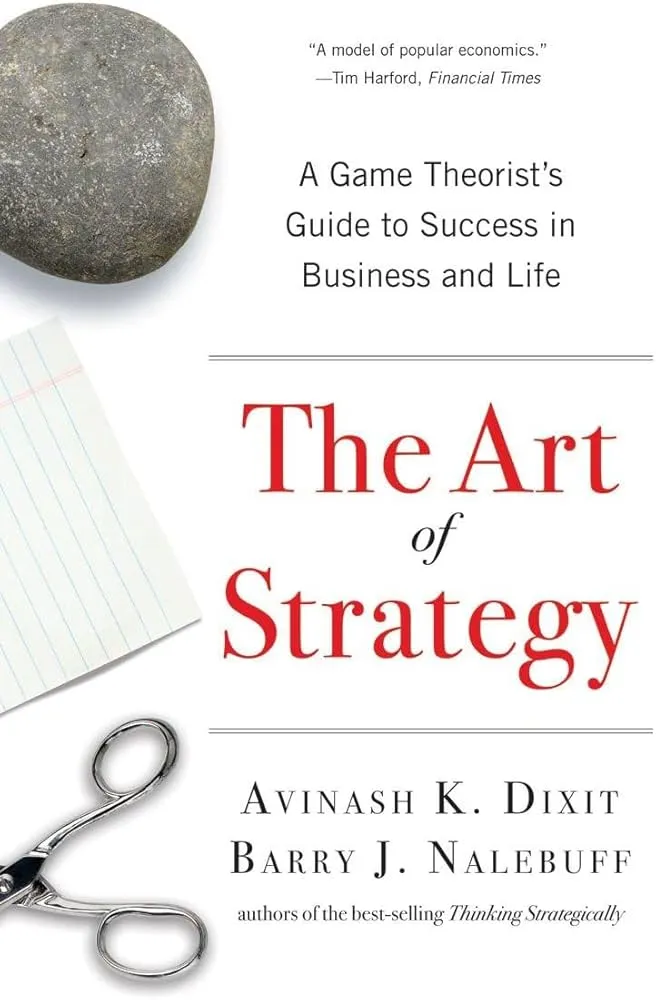 The Art of Strategy The Art of Strategy | 10 | 95.8% | 76.8% | +19.0 |
Questions, answered.
The ones skeptics ask first.
Is this legal?
Copyright protects expression, not ideas. Skills extract methods (decision frameworks, checklists, workflows) through the idea/expression dichotomy (17 USC §102(b)). BookForge is non-commercial, attribution is mandatory, and author opt-out is honored within 48 hours. COPYRIGHT.md · TAKEDOWN.mdHow is this different from RAG, fine-tuning, or prompting?
RAG retrieves chunks at query time. Fine-tuning modifies model weights. Prompting means pasting text into a chat. BookForge skills are something else: pre-processed, tested, triggerable modules your agent reaches for automatically. They ship as static files, run on any base model, and don’t burn context window on every turn.How do I know skills aren’t hallucinated or wrong?
Every skill goes through a value-contribution test: the same prompt, once with the skill loaded and once without, graded by an independent evaluator. A skill only ships when the delta clears +30 points. Across 22 tested books and 265 skills, the library averages +53.8 points of improvement over baseline. Grading summaries are public and reproducible with the open-source pipeline.What’s BookForge’s relationship with the authors?
BookForge isn’t affiliated with any author or publisher in the library. Every skill carries mandatory attribution to the source book and its authors. Rights holders can request removal with one email (48h turnaround) or opt into the author-verified badge program, reviewing their book’s skills and receiving a verified badge. The goal: every skill points readers back to the book, not away from it.What happens when a book is wrong or outdated?
Books get updated, fields evolve, yesterday’s best practice becomes today’s legacy advice. Skills are versioned, improvements ship as PRs, and every book’s grading summary documents what the skills were tested against. For fast-moving fields or high-stakes work, read the book itself. BookForge complements book reading, it doesn’t replace it.
Open source. Community driven.
BookForge is MIT + CC-BY-SA licensed. Pick a book, run the pipeline, submit a PR. Every contribution makes the library richer for everyone.