Argument Organization Reviser
Revise the structural organization of a research paper draft by applying a four-level top-down procedure — Frame (intro/conclusion alignment), Argument (section reasons + evidence ratios), Paper Organization (key-term threading + section signals), and Paragraphs (topic sentence placement + length). Use this skill whenever the user has a complete draft and asks to revise, reorganize, or strengthen its structure — not its prose style. Triggers include: user shares a draft paper and asks for structural feedback; user says sections feel disconnected or the argument is hard to follow; user's introduction and conclusion seem to contradict or not reinforce each other; user suspects their sections lack clear points or bury them in the middle; user cannot tell whether their evidence-to-reasoning ratio is balanced; user's paragraphs open with evidence rather than claims; user is preparing to submit and wants a final organizational pass. Also triggers on: "revise my structure," "does my argument hold together," "my advisor said the organization is unclear," "do my sections flow," "I need to check the coherence." This skill applies structural revision only — it does NOT revise prose style or sentence clarity (use prose-clarity-reviser for that), and does NOT rebuild an argument from scratch (use research-argument-builder for that).
 View on ClawhHub
Install
What You'll Need
Skill Relationships
Unlocks
No dependent skills
Requires
Organization reviser applies top-down structural review to a paper draft produced from the storyboard plan
Source Book
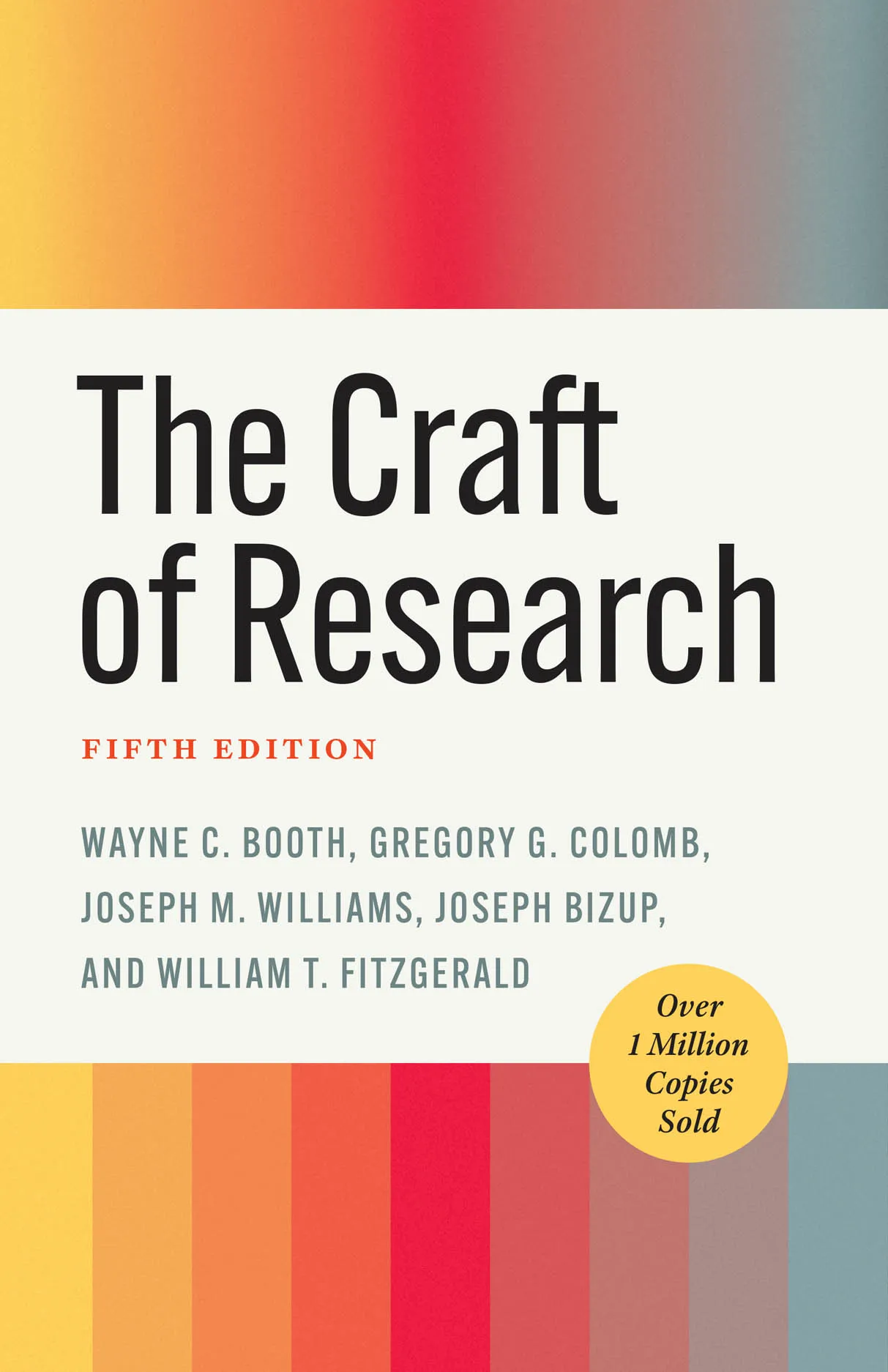
The Craft of Research, Fourth Edition
Wayne C. Booth, Gregory G. Colomb, Joseph M. Williams, Joseph Bizup, and William T. FitzGerald