Transaction Isolation Selector
Choose the correct transaction isolation level and serializability implementation for an application's concurrency patterns. Use when: selecting an isolation level for a new system; evaluating whether read committed or snapshot isolation is safe for your access patterns; deciding whether to upgrade to serializable and choosing between two-phase locking (2PL) vs. serializable snapshot isolation (SSI); producing an architecture decision record for isolation level choice; or explaining to a team why the database default is insufficient. Distinct from concurrency-anomaly-detector (which scans code for exposed anomalies) — this skill selects the level, not the bugs. Covers PostgreSQL, MySQL InnoDB, Oracle, SQL Server, and distributed databases. Applies a 6-anomaly × 4-isolation-level mapping matrix (dirty read, dirty write, read skew, lost update, write skew, phantom read vs. read uncommitted, read committed, snapshot isolation, serializable) to produce a concrete recommendation with implementation trade-off analysis. Works on any codebase, schema, or workload description.
 View on ClawhHub
Install
What You'll Need
Source Book
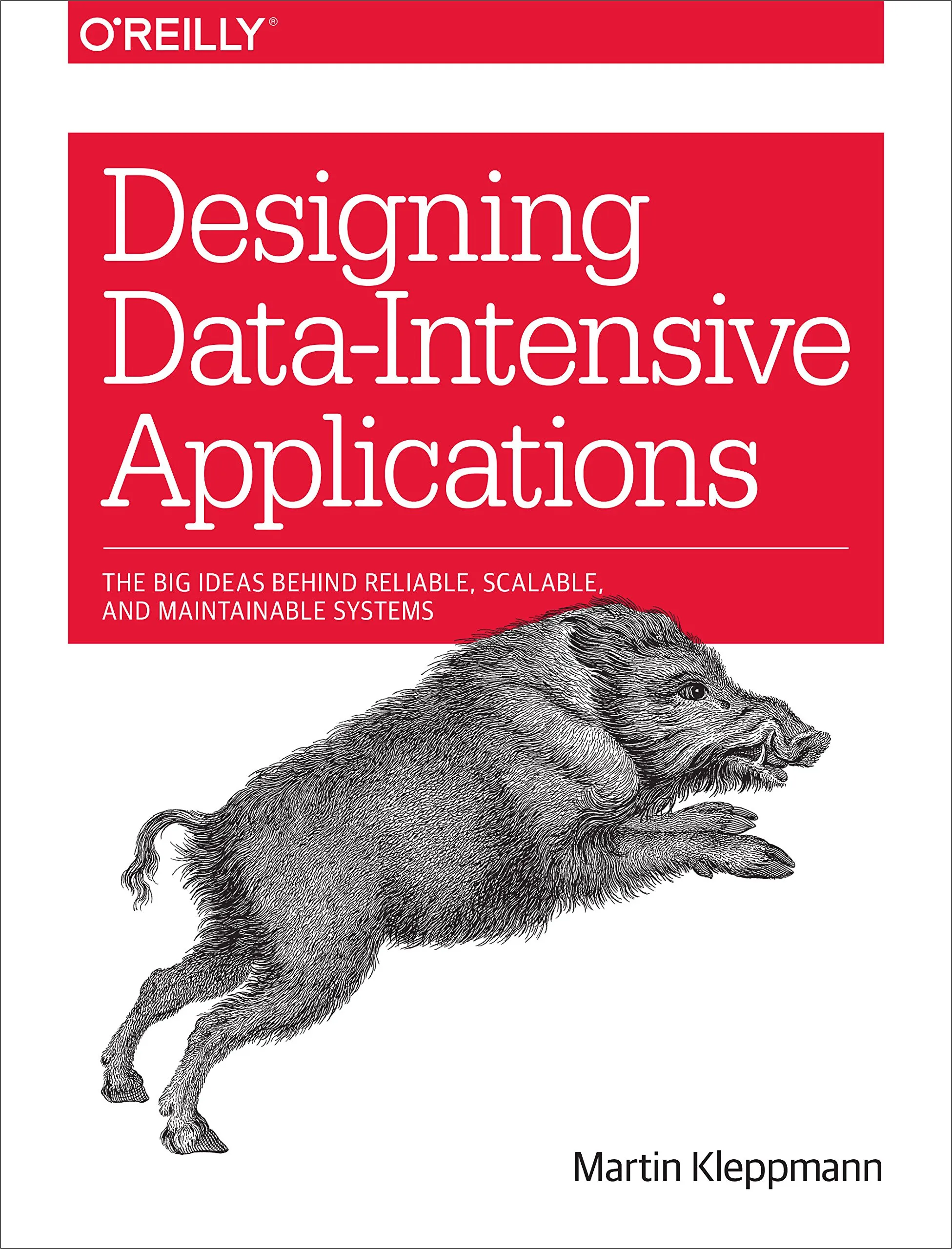
Designing Data-Intensive Applications
Martin Kleppmann