Data Integration Architect
Design the integration architecture for systems with multiple specialized data stores (Postgres, Elasticsearch, Redis, data warehouses) that must stay in sync. Use when deciding how data flows between components, avoiding dual writes, reasoning about correctness across system boundaries (idempotency, end-to-end operation identifiers), choosing between Lambda and Kappa architecture, or applying the "unbundling databases" pattern to compose specialized tools instead of relying on a single monolith. Trigger phrases: "how do I keep Postgres and Elasticsearch in sync?", "should I use CDC or event sourcing to propagate data?", "how do I avoid dual writes across microservices?", "my downstream systems are going out of sync — how do I fix the architecture?", "how do I design derived data pipelines?", "what is the system of record pattern?", "how do I integrate OLTP with a search index and an analytics warehouse?", "how do I design for end-to-end idempotency?". This is the capstone skill for data systems design — it synthesizes batch pipelines, stream integration, consistency, and replication into a single architecture recommendation. Produces a component map (systems of record vs derived views), data flow diagram, and correctness analysis. Does not replace batch-pipeline-designer or stream-processing-designer — delegates to them for pipeline internals.
 View on ClawhHub
Install
What You'll Need
Source Book
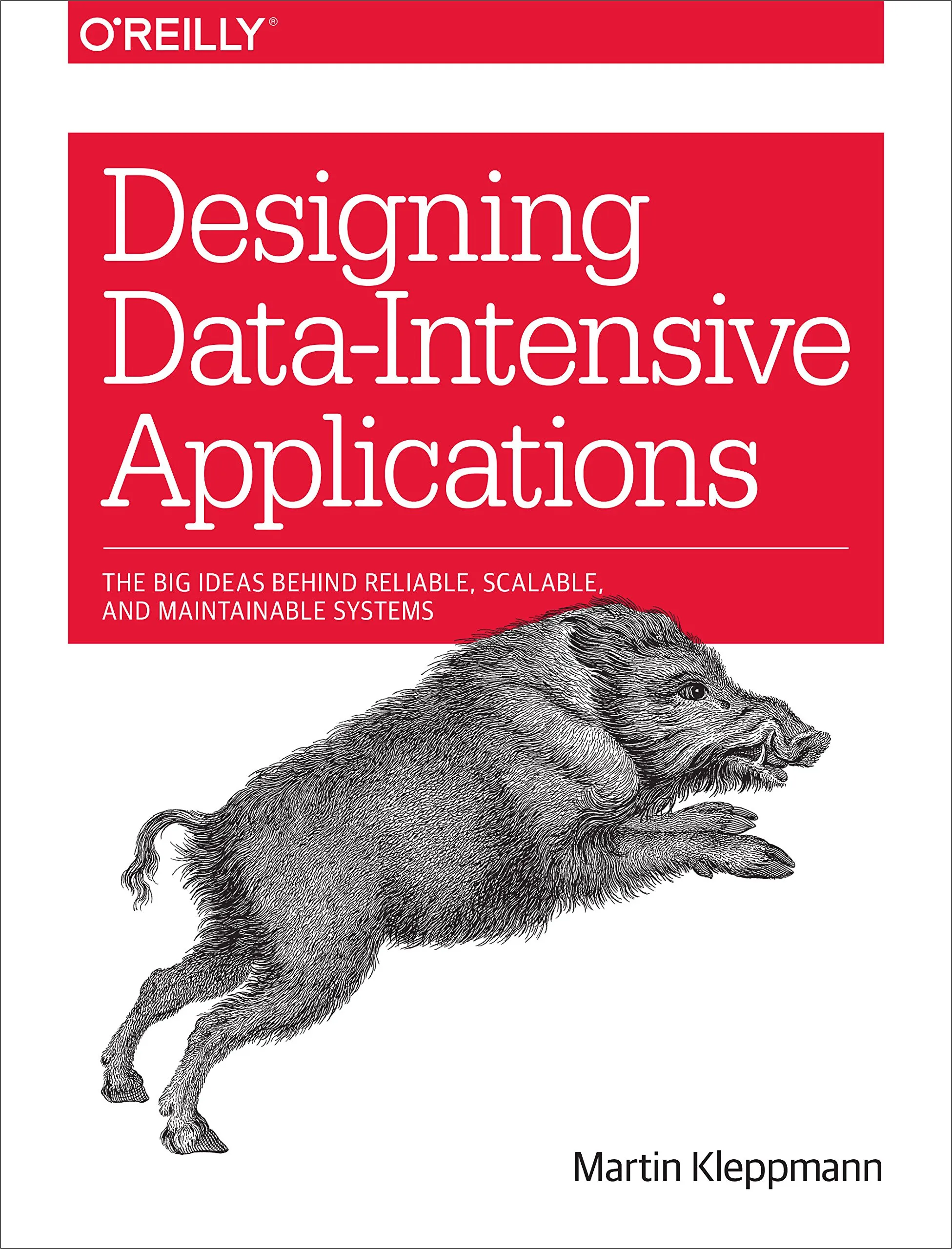
Designing Data-Intensive Applications
Martin Kleppmann