Learning Calibration Audit
Diagnose and correct false confidence in learning mastery using cognitive science research. Use when you feel confident about a topic but keep failing tests, want to audit your metacognition for illusions of knowing, are preparing for a high-stakes assessment and need to verify actual mastery, or suspect your study method is producing Dunning-Kruger overconfidence. Also use for: identifying which of 7 specific cognitive distortions — fluency illusion, hindsight bias, Dunning-Kruger overconfidence, curse of knowledge, false consensus, imagination inflation, social memory contamination — is inflating your self-assessment accuracy; distinguishing reliable mastery indicators (delayed recall, novel problem transfer, peer explanation) from unreliable ones (rereading fluency, immediate recall, familiarity warmth); selecting calibration instruments (self-quizzing, cumulative quizzing, peer instruction) matched to the specific distortions detected; designing a dynamic testing cycle (assess → identify gaps → target practice → retest) as an iterative calibration protocol; and producing a calibration report with a retest schedule. Applies across all learning contexts — exam preparation, professional skill development, corporate training, language learning, technical certification. Works on document sets such as study plans, quiz results, self-assessment notes, and course materials.
 View on ClawhHub
Install
What You'll Need
Skill Relationships
Unlocks
Auditor routes illusions of knowing findings to calibration audit for metacognitive correction
Requires
No prerequisites. This is a foundation skill.
Source Book
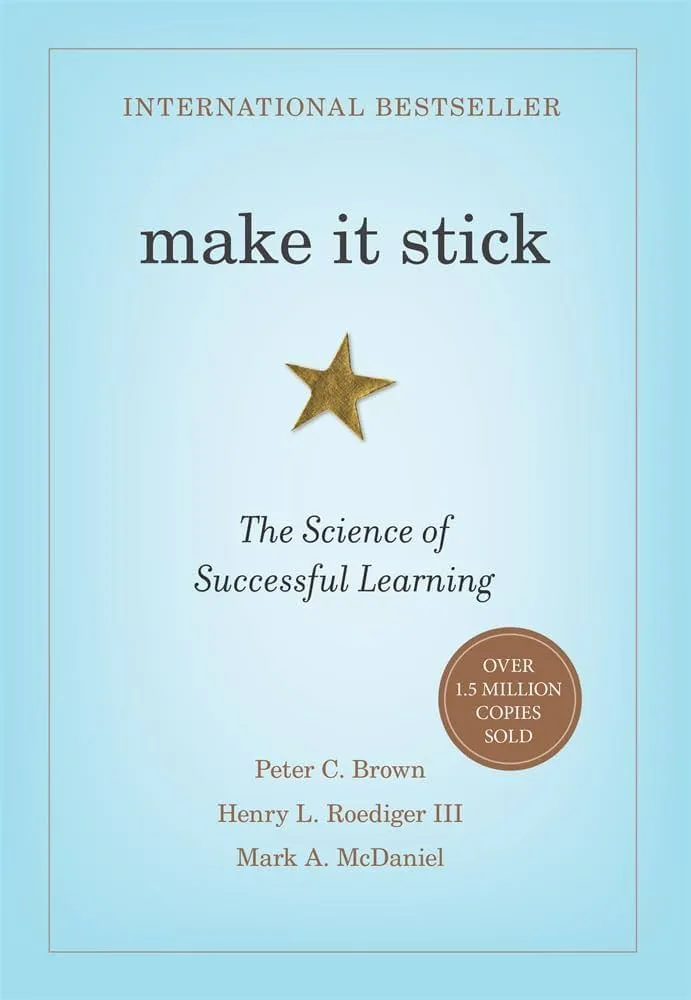
Make It Stick: The Science of Successful Learning
Peter C. Brown, Henry L. Roediger III, Mark A. McDaniel