Adversary Profiling And Threat Modeling
Profile the likely adversaries targeting a system and produce a structured threat model with prioritized threat scenarios. Use when: designing a new system or service and need to identify who might attack it and how; evaluating whether existing security controls address the right threats; preparing a threat model document for a security review, compliance audit, or architecture decision record; assessing insider risk for a system that handles sensitive data or privileged operations; or mapping attack lifecycle stages to defensive controls. Applies the three adversary frameworks — attacker motivations, attacker profiles, and attack lifecycle stages — alongside a four-dimension actor-motive-action-target threat scenario matrix to produce ranked threat scenarios. Distinct from vulnerability assessment (which audits specific technical flaws) and penetration testing (which actively exploits weaknesses). Produces: adversary profile summary, insider risk matrix, threat scenario list ranked by likelihood and impact, and per-stage defensive control recommendations.
 View on ClawhHub
Install
What You'll Need
Source Book
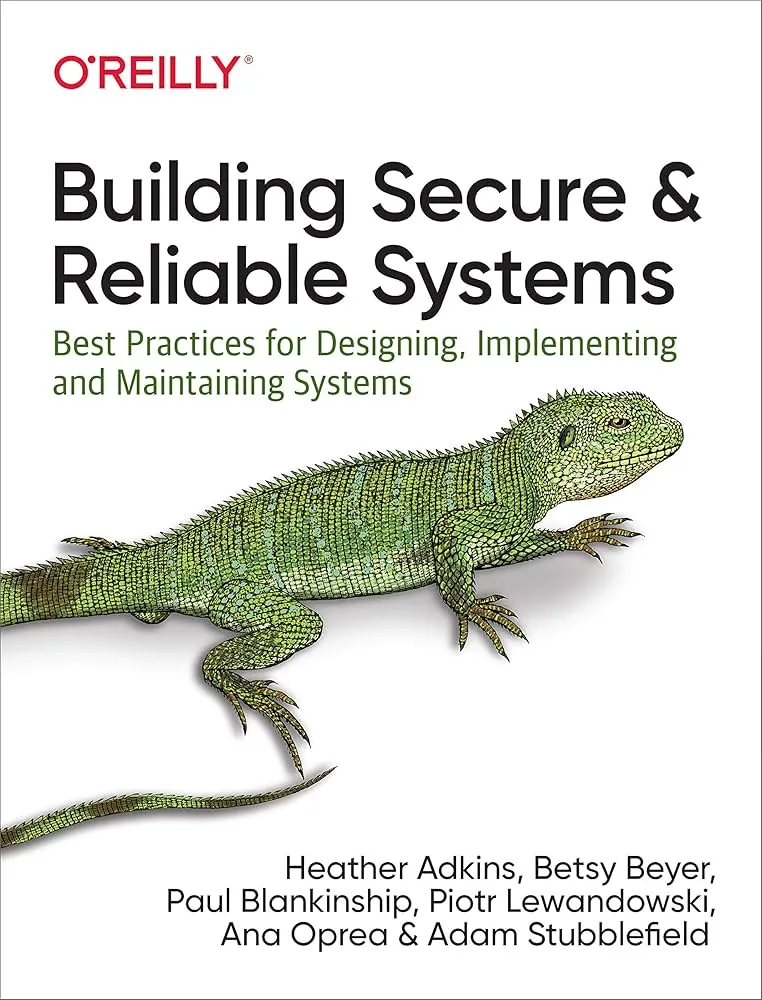
Building Secure and Reliable Systems
Heather Adkins, Betsy Beyer, Paul Blankinship, Piotr Lewandowski, Ana Oprea, Adam Stubblefield